Psychological safety is safety: what new research means for workplaces in mining
Creating safer workplaces requires more than policies and procedures. New research from Western University's second national survey on workplace harassment and violence highlights that harmful behaviours remain common across Canadian workplaces and continue to affect workers' well-being, productivity, and trust in their organizations.
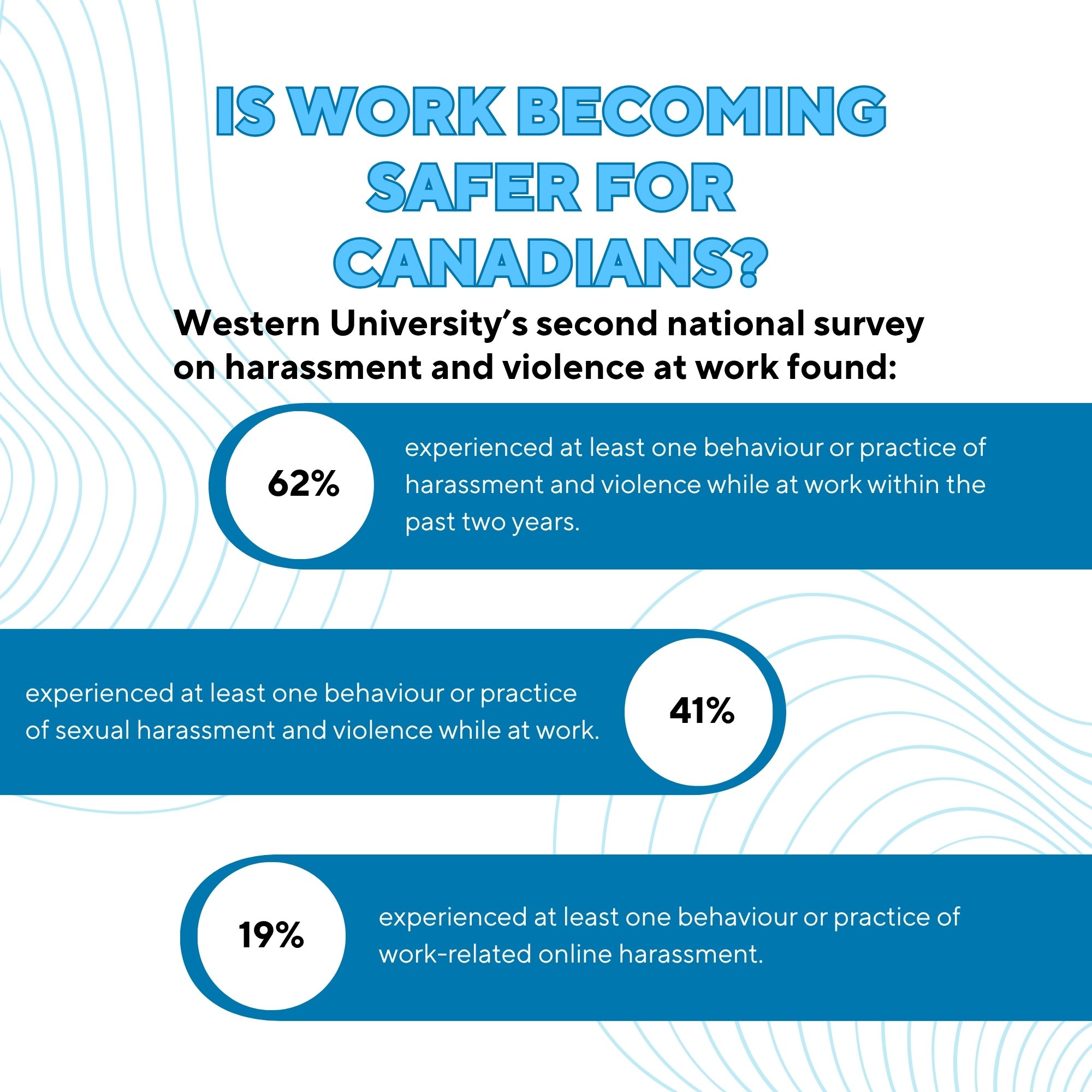
The survey findings show that workplace harassment and violence remain widespread across Canada. Nearly two-thirds (62%) of survey respondents experienced at least one behaviour or practice of harassment and violence at work in the previous two years. In addition, 41% experienced sexual harassment and violence, while 19% experienced work-related online harassment. These figures demonstrate that harmful workplace behaviours continue to affect a significant portion of the workforce, despite growing awareness and prevention efforts.
The impacts extend far beyond the individuals involved. Workers reported negative emotional effects, sleep difficulties, decreased productivity, missed work, and loss of trust in both leadership and their teams. Many also experienced career consequences, including missed opportunities for advancement, pay increases, or positive performance evaluations.
The research also found that some groups face a disproportionate burden. Gender-diverse individuals, 2SLGBTQIA+ workers, Indigenous workers, multiracial workers, and workers living with disabilities reported higher rates of workplace harassment and violence than other groups.
For the mining sector, these findings reinforce an important principle: psychological safety is a critical component of workplace safety. Workers must feel safe to raise concerns, report inappropriate behaviour, and trust that their voices will be heard and respected. When employees are reluctant to speak up, organizations lose valuable opportunities to address issues early, strengthen workplace culture, and prevent harm.
This aligns closely with Mine Shift's mission to foster safer, more inclusive, and respectful workplaces across the mining industry. By supporting leadership accountability, bystander intervention, and workplace inclusion, organizations can help create environments where workers feel valued, supported, and empowered to contribute.
Progress has been made, but the research makes it clear that more work remains. Building a culture of respect is not only the right thing to do, it is essential for worker well-being, operational success, and the future of a sustainable mining workforce.